In certain corners of the historical and modern world, Communist rule has often gone hand in hand with profound changes in social structure. Yet this kind of totalitarian rule can also trigger a series of problems that lead to the collapse of society. This essay examines the causes and consequences of societal collapse under Communist rule.
I. Economic Mismanagement and Collapse
1. The Flaws of the Planned Economy
In many Communist countries, the planned economy is the dominant economic model, with the government deciding production, distribution, and consumption through centralized management. This model, however, ignores market demand, leading to inefficient allocation of resources and stagnant productivity. Mismanagement of the economy often results in severe material shortages and a decline in people's living standards.
2. Corruption
In a system lacking transparency and accountability, the concentration of power breeds corruption easily. Vast economic resources are seized by a privileged class, the distribution of social wealth becomes unfair, and the gap between rich and poor widens. Corruption severely erodes the government's credibility, lowering social trust and undermining social stability.
II. Political Repression and Social Unrest
1. Totalitarian Rule
Communist regimes typically exercise highly centralized control over power, suppressing dissenting voices. Basic rights such as freedom of speech, freedom of the press, and freedom of association are stripped away, and dissidents and opposition figures are persecuted and suppressed. Prolonged repression allows resentment and discontent to build up across society, easily triggering political upheaval and social protest.
2. Thought Control and Cultural Suppression
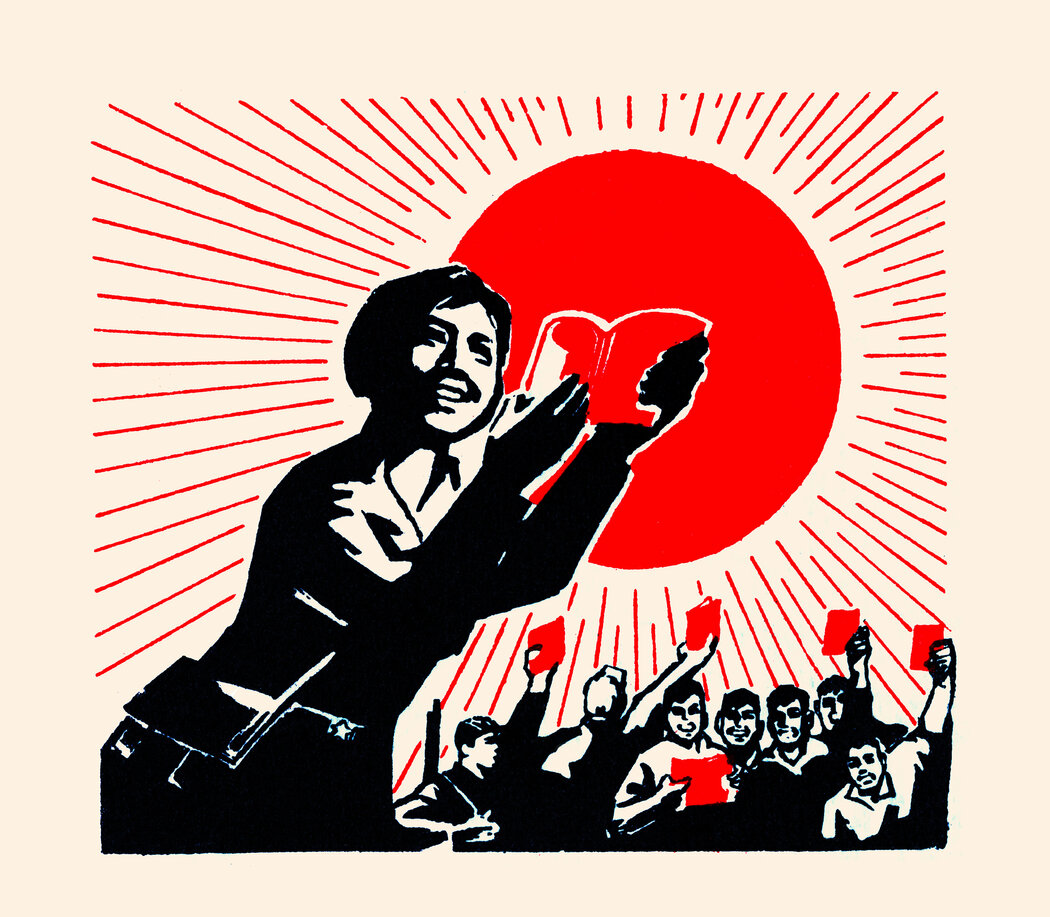
Through propaganda and education, the regime attempts to unify thought and control people's ideology. But thought control and cultural suppression cause social diversity to disappear and stifle innovation and creativity. A society that lacks freedom of thought and cultural vitality often lacks the capacity to cope with change and crisis.
III. The Disintegration of Social Structure
1. Restricted Social Mobility
The household registration system, the allocation of jobs, and unequal educational resources all restrict social mobility. The gulf between the countryside and the cities deepens, and the divide between different social strata widens. This closed-off, rigidly stratified society allows social discontent to accumulate, intensifying social contradictions.
2. The Loss of Social Trust
Under the combined weight of political repression and corruption, trust between members of society gradually erodes. Relationships between individuals and groups grow cold and hostile, and social capital is severely depleted. The loss of trust makes social cooperation difficult, public affairs hard to manage effectively, and social cohesion and unity are greatly weakened.
IV. Environmental Degradation and Public Health Crises
1. Environmental Destruction
Many Communist countries, in their rush toward rapid industrialization and economic growth, have neglected environmental protection, causing severe damage to the ecological environment. Problems such as water pollution, air pollution, and land degradation grow ever more serious, affecting people's quality of life and health.
2. Public Health Crises
Unfair distribution of resources, backward medical facilities, and chaotic health administration cause public health conditions to deteriorate. Frequent outbreaks of infectious disease and high rates of chronic illness intensify social instability and vulnerability.
V. International Isolation and Economic Sanctions
1. Diplomatic Isolation
The totalitarian rule and human rights violations of Communist regimes often draw condemnation and sanctions from the international community. Diplomatic isolation reduces international cooperation and assistance, hindering the country's development and reform.
2. Economic Sanctions
For political reasons and human rights concerns, some Communist countries face international economic sanctions. Sanctions reduce the inflow of foreign capital, restrict trade, and slow economic growth, deepening domestic economic hardship and social problems.
Conclusion
The collapse of society under Communist rule is the joint result of many factors, including economic mismanagement, political repression, the disintegration of social structure, environmental degradation, and international isolation. These factors intertwine to produce the wholesale collapse of society. Reflecting on these historical lessons helps us understand the flaws of totalitarian systems and the complexity of social development, and helps us explore how to build a freer, more democratic, law-based, and prosperous society.